
Comparing Top Seller Tools: Maximize Efficiency and Profits
Introduction to Seller Tools
In the fast-paced world of e-commerce, having the right tools can make all the difference in maximizing efficiency and boosting profits. Seller tools are designed to streamline operations, manage inventory, and enhance customer engagement. With numerous options available, choosing the right tool can be overwhelming.
This guide compares some of the top seller tools on the market, helping you make an informed decision tailored to your business needs.

Inventory Management
Tool A: Comprehensive Control
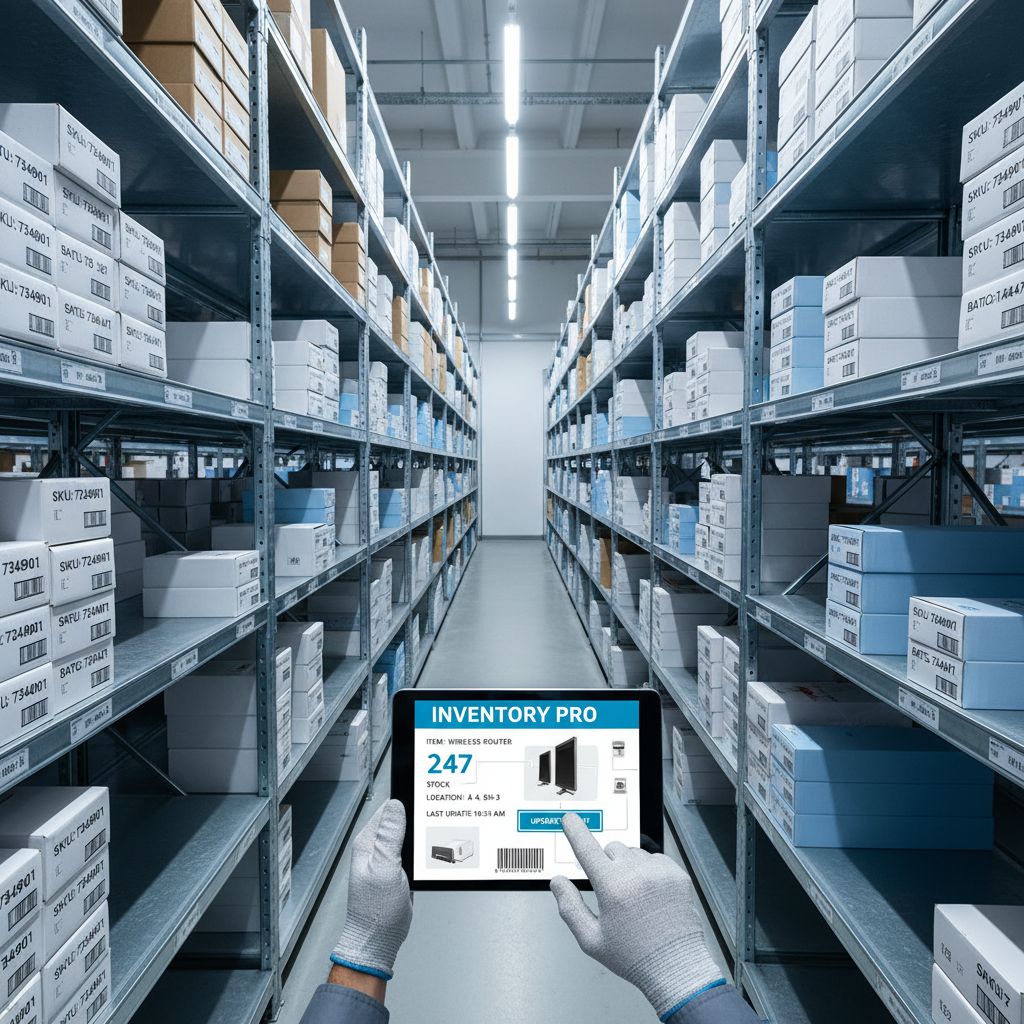
Tool A offers robust inventory management features that allow sellers to track stock levels in real-time. This tool provides notifications for low stock and integrates seamlessly with multiple sales channels, ensuring you never miss a sale due to inventory issues. Its user-friendly interface makes it perfect for both small and large businesses.
Tool B: Simplified Solutions
Tool B focuses on simplicity and ease of use. With its straightforward setup, it offers essential features such as inventory tracking and automatic reorder alerts. While it may lack some advanced features, its affordability and simplicity make it a popular choice for startups.
Customer Relationship Management (CRM)
Tool C: Enhanced Engagement
For those looking to enhance customer relationships, Tool C provides a comprehensive CRM solution. It enables personalized communication, tracks customer interactions, and offers insights into customer behavior. With its advanced analytics, you can tailor marketing strategies to better meet customer needs.
Tool D: Basic but Effective
Tool D offers a more straightforward CRM approach, focusing on core functionalities such as contact management and email marketing. Its no-frills design makes it accessible for businesses looking for essential CRM features without unnecessary complexity.

Pricing and Profitability Analysis
Tool E: Data-Driven Decisions
Tool E excels in pricing strategy and profitability analysis, providing data-driven insights to optimize pricing models. It offers competitor price tracking, demand forecasting, and margin analysis, enabling sellers to make informed pricing decisions that maximize profits.
Tool F: User-Friendly Approach
Tool F is designed for ease of use, offering basic pricing tools that help sellers set competitive prices. While it may not offer as many advanced features as Tool E, its intuitive interface makes it suitable for those new to pricing analytics.
Conclusion: Choosing the Right Tool
Each tool offers unique features tailored to different business needs. Whether you prioritize inventory management, CRM, or pricing analytics, understanding your specific requirements will guide you to the right choice. By leveraging these seller tools, you can streamline operations, improve customer satisfaction, and ultimately increase profits.
Investing time in evaluating these tools will pay off significantly, empowering your business to thrive in the competitive e-commerce landscape.