
Latest Industry News: Trends Shaping the Future of eCommerce
Surge in Mobile Commerce
The rise of smartphones has revolutionized the eCommerce landscape. With more consumers using mobile devices to shop online, businesses are optimizing their platforms for mobile-first experiences. Recent studies show that over 50% of online transactions are now conducted via mobile devices. This trend is expected to continue growing, emphasizing the need for responsive design and seamless mobile interfaces.

To capitalize on this trend, businesses are investing in mobile apps that offer personalized shopping experiences. These apps use data analytics to understand consumer behavior, enabling tailored recommendations and promotions that enhance user engagement.
Artificial Intelligence and Automation
Artificial Intelligence (AI) is playing a pivotal role in transforming eCommerce operations. From chatbots handling customer inquiries to AI-driven product recommendations, automation is enhancing efficiency and customer satisfaction. AI tools are also being used for inventory management, predicting demand and reducing waste.
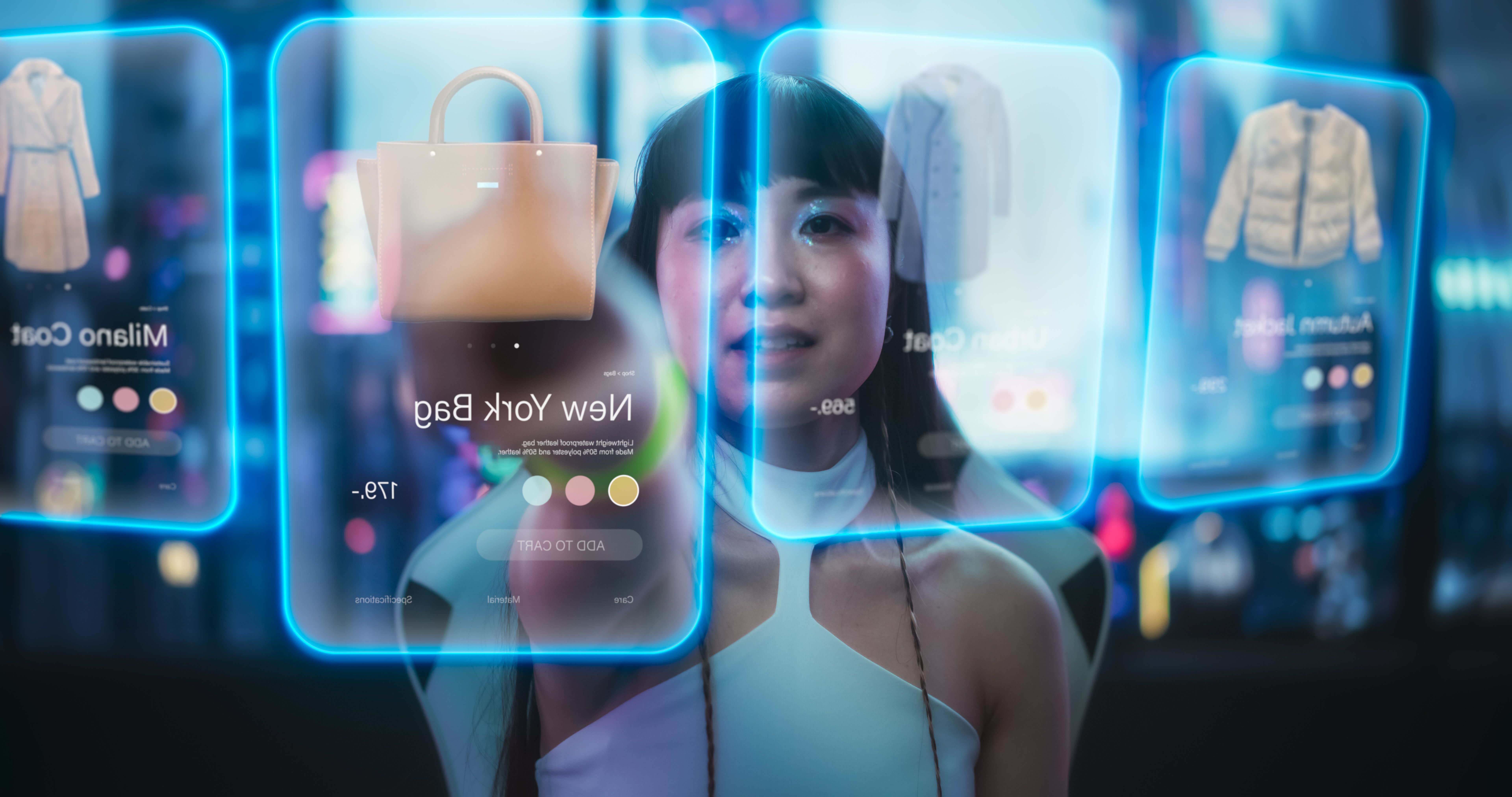
Moreover, AI algorithms are helping businesses understand purchasing patterns, allowing for more targeted marketing strategies. This leads to improved conversion rates and a more personalized shopping experience for consumers.
Social Commerce Expansion
Social media platforms are becoming integral to eCommerce strategies. Social commerce, where shopping experiences are integrated directly into social media apps, is gaining traction. Platforms like Instagram and Facebook have introduced shopping features that allow users to purchase products without leaving the app.
This trend is driven by the influence of social media on purchasing decisions. Brands are leveraging influencer partnerships and user-generated content to boost visibility and credibility, turning followers into customers.

Sustainability and Ethical Shopping
Consumers are increasingly prioritizing sustainability and ethical practices in their purchasing decisions. This shift is prompting eCommerce businesses to adopt greener practices, such as using eco-friendly packaging and reducing carbon footprints. Transparency in sourcing and manufacturing processes is also becoming crucial to appeal to environmentally conscious shoppers.
Brands that can effectively communicate their commitment to sustainability are likely to build stronger connections with their audience, fostering loyalty and trust.
Augmented Reality Enhancements
Augmented Reality (AR) is enhancing the online shopping experience by allowing customers to visualize products in their real environment. This technology is particularly beneficial for the furniture and fashion industries, where seeing a product in context can significantly influence purchasing decisions.
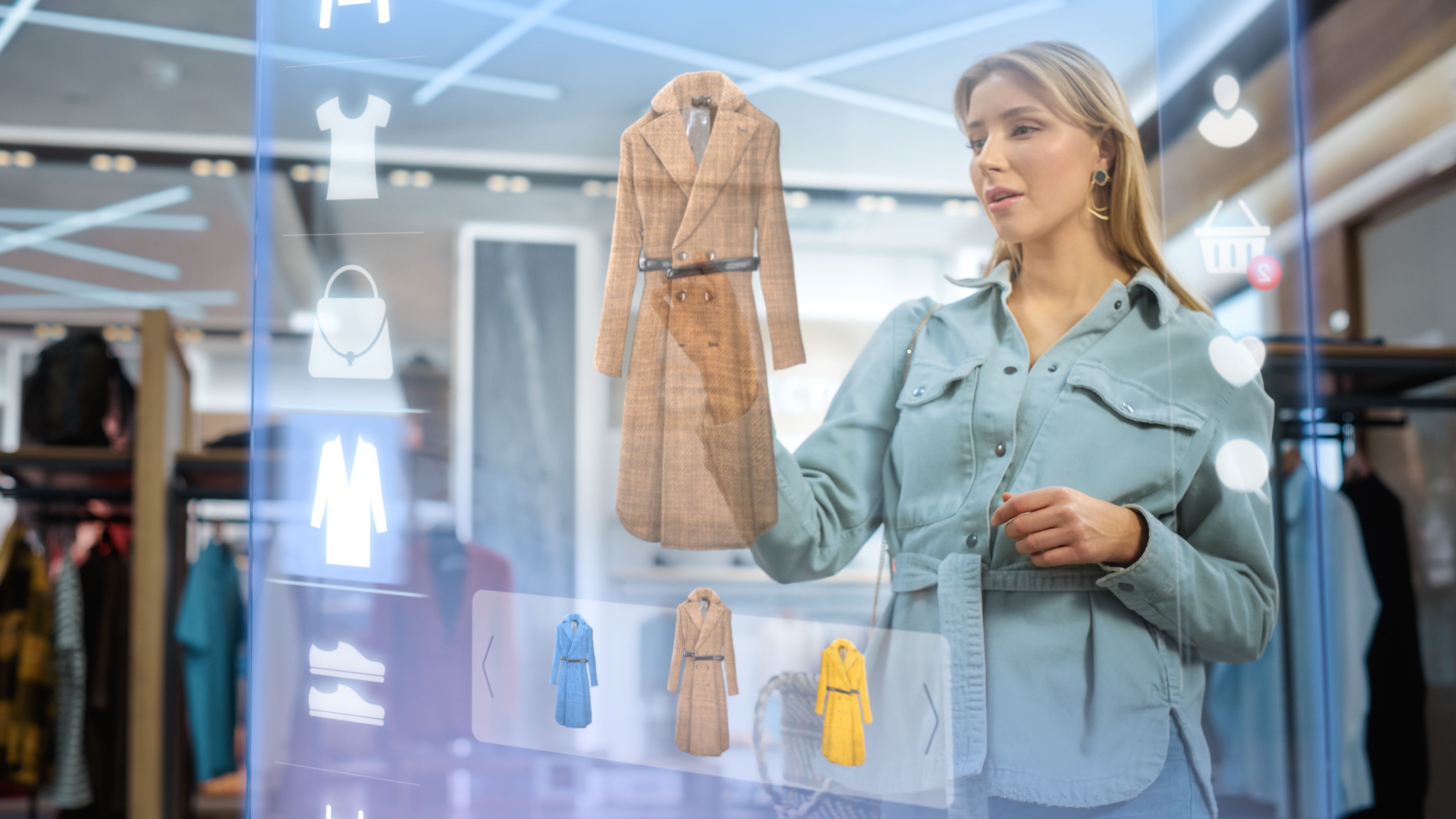
By providing a more interactive and immersive shopping experience, AR helps reduce return rates and increase customer satisfaction. As AR technology becomes more accessible, its adoption in eCommerce is expected to rise.
Conclusion
The eCommerce industry is rapidly evolving, driven by technological advancements and changing consumer preferences. Businesses that stay ahead of these trends and adapt their strategies accordingly are likely to thrive in this competitive landscape. By embracing mobile commerce, AI, social commerce, sustainability, and AR, companies can enhance their offerings and ensure long-term success.