
Mastering Logistics Solutions for Online Sellers: Essential Strategies for Success
In the rapidly evolving world of e-commerce, mastering logistics is crucial for online sellers aiming for success. Efficient logistics solutions not only enhance customer satisfaction but also streamline operations, ultimately driving business growth. This post explores essential strategies that online sellers can adopt to optimize their logistics processes.
Understanding the Importance of Efficient Logistics
Logistics is the backbone of any e-commerce business. It involves managing the flow of products from the supplier to the customer. Efficient logistics can significantly impact customer experience, reduce costs, and improve operational efficiency. Therefore, it's vital for online sellers to prioritize logistics in their business strategy.

Implementing Technology for Better Management
Leveraging technology is a game-changer for logistics management. Implementing advanced software solutions can automate inventory management, order processing, and shipping, reducing the risk of human error. Technologies like AI and machine learning can also provide predictive analytics to forecast demand and optimize stock levels.
Moreover, integrating a reliable order management system can provide real-time visibility into inventory and shipments, ensuring that customers receive timely updates on their orders. This transparency builds trust and enhances customer loyalty.
Optimizing Inventory Management
Effective inventory management is crucial for minimizing costs and meeting customer demand. Online sellers should adopt strategies such as just-in-time inventory, which reduces excess stock and storage costs. Additionally, utilizing ABC analysis can help prioritize inventory based on importance, ensuring that top-selling products are always in stock.

Choosing the Right Fulfillment Strategy
Fulfillment is a critical component of logistics that directly affects delivery speed and customer satisfaction. Online sellers can choose between in-house fulfillment, third-party logistics (3PL), or dropshipping. Each option has its pros and cons, and the choice depends on the business model, volume, and resources.
For instance, 3PL providers offer scalability and expertise, allowing sellers to focus on core business operations. On the other hand, in-house fulfillment provides greater control over the process, which can be beneficial for maintaining quality standards.
Enhancing Last-Mile Delivery
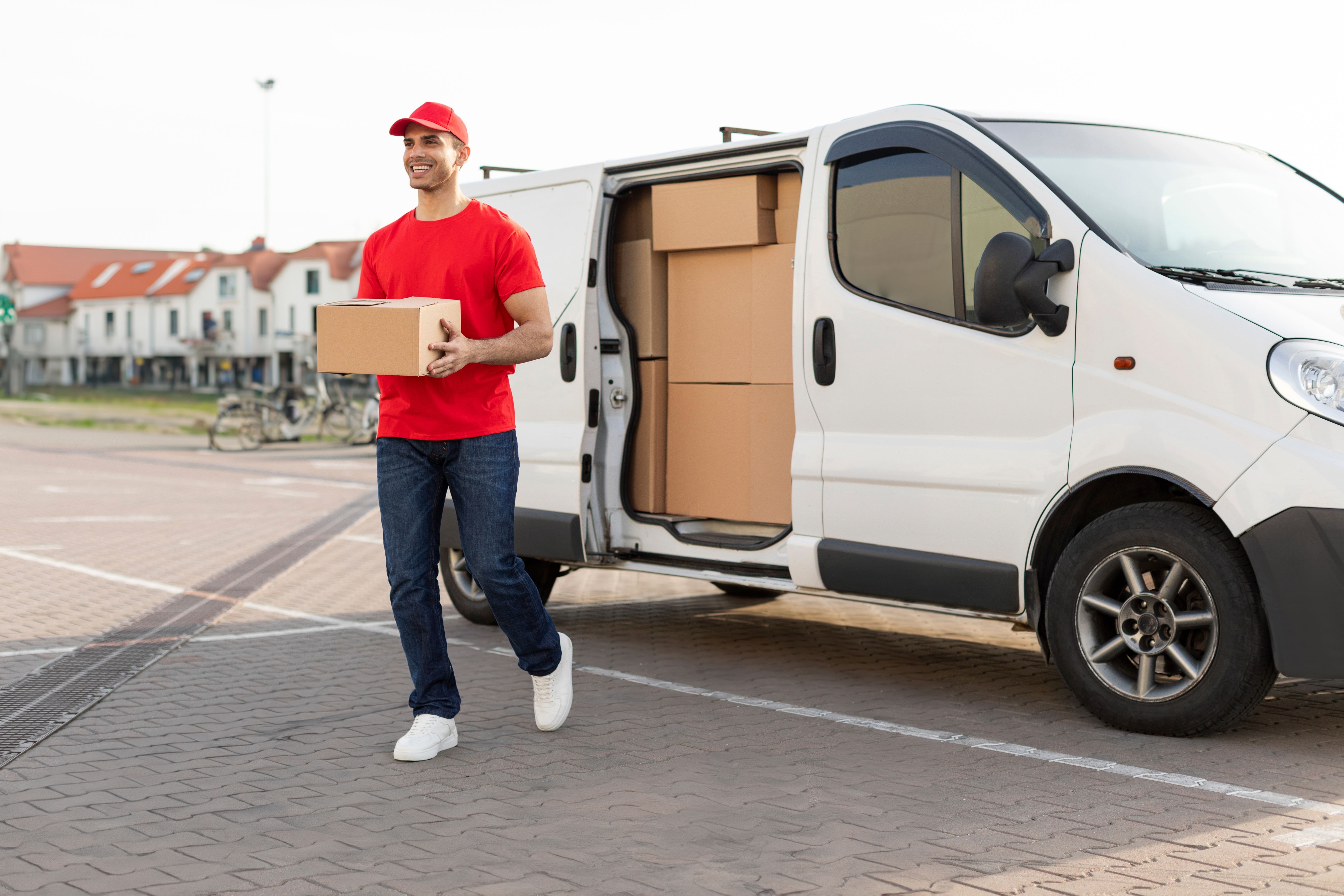
The final leg of the delivery process, known as last-mile delivery, is often the most challenging and expensive. To overcome these challenges, online sellers can use route optimization software that reduces delivery times and costs. Additionally, offering multiple delivery options, such as same-day or scheduled delivery, can enhance customer satisfaction.
Focusing on Customer Experience
A seamless logistics process contributes significantly to a positive customer experience. Clear communication, such as providing tracking information and delivery updates, helps manage customer expectations. Furthermore, an efficient return process is essential, as it can turn a potentially negative experience into a positive one.
Online sellers should also seek customer feedback to identify areas for improvement in their logistics operations. This proactive approach can lead to continuous improvement and increased customer loyalty.
Conclusion
Mastering logistics is not just about moving products from one point to another; it's about creating a seamless and efficient operation that enhances customer satisfaction and drives business growth. By implementing technology, optimizing inventory, choosing the right fulfillment strategy, and focusing on the last-mile delivery, online sellers can achieve logistics excellence and set themselves apart in the competitive e-commerce landscape.